
Construction Jobs in Martinique 2026 — site labourers · masons · formworkers · steel fixers · scaffolders · site engineers — on residential, road and coastal-protection projects around Fort-de-France, Le Lamentin, Schoelcher and Sainte-Marie are being filled through French general contractors (Bouygues Bâtiment DOM, VINCI Antilles, Colas Antilles-Guyane) and their qualified local sub-contractors, not through walk-in queues at the site gate.
Because Martinique is a French overseas region, every construction contract sits under the French Labour Code (Code du travail) and salaries are paid in EUR via URSSAF. This guide walks through how construction hiring in Martinique actually works — from application to first day on site — what a real contract says, and how to avoid the fake-agent trap.
🧭 How Construction Hiring in Martinique Actually Works
Large-scale construction in Martinique is dominated by two channels: French majors (Bouygues Bâtiment DOM, VINCI Construction Antilles, Colas Antilles-Guyane, Eiffage) plus their local sub-contractors, and the medium public-works firms working on communal roads, social housing and port projects. Both channels publish vacancies on group careers pages, then route new hires through a CACES-certificate check — medical fitness — site induction and PPE issue pipeline.
Your employment sits under the French Labour Code plus the Convention Collective Nationale des Ouvriers du Bâtiment (Bâtiment collective agreement). That means your contract is either a CDI or a CDD de chantier (project-linked fixed-term) — the second one is standard for a foreign hire on a named building project.
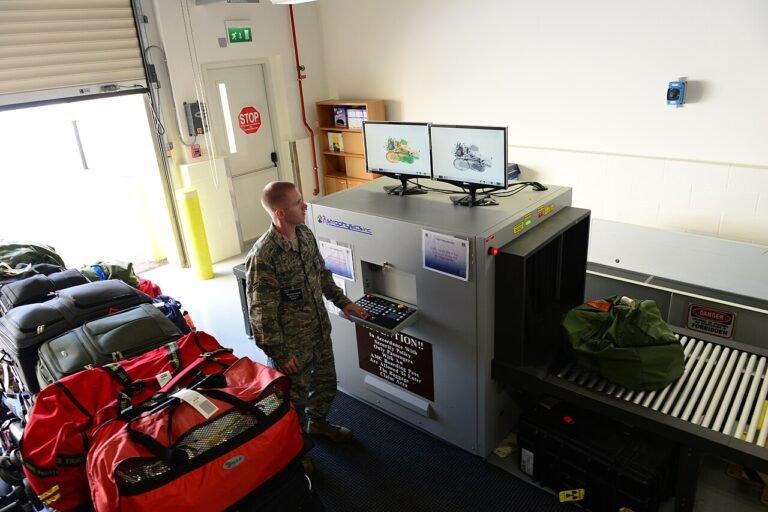
Passenger Service Agent Jobs in Grenada – Everything You Need to Know Before Applying
Passenger Service Agent Jobs in Grenada 2026 — passenger service agents joining check-in · boarding gate · arrivals support shifts at Maurice Bishop International Airport (GND)…
Read the Full Guide →🎯 Why Martinique Is a Strong Base for Construction Trades in 2026
Martinique's construction pipeline for 2026 is anchored on three programmes: seismic retrofit of 1970s-era public buildings, the Programme Habitat Neuf social-housing rollout across Le Lamentin and Schoelcher, and the coastal-protection works around Fort-de-France harbour. Add the Grand-Rivière road reinforcement, the Sainte-Marie hospital expansion and the ongoing airport-side warehousing at Aimé Césaire International, and hiring runs year-round rather than on a short seasonal peak.
For a construction worker the practical wins are concrete: a wage paid on time in EUR by bank transfer, PPE and site-safety equipment provided from day one, full French social-security cover, paid congés payés, and indemnités de trajet (travel allowance) plus panier repas (meal allowance) named separately on the payslip.
There is a real career ladder too. Site labourers with two clean project contracts routinely move to chef d'équipe and site-supervisor grades; a fixer or scaffolder with French CACES/AIPR certification can be a chef de chantier within four to six years.
📋 Martinique Construction Pay Cheat-Sheet (2026)
| Position Tier | Base Wage | Experience | Contract Notes |
|---|---|---|---|
| 👷 Site Labourer / Manœuvre | EUR 1,540 | Freshers OK | CDD de chantier, indemnités trajet + panier |
| 🧱 Mason (Maçon N2) | EUR 1,850 | 6 months+ | Bâtiment collective agreement N2 grade |
| 🔩 Steel Fixer / Ferrailleur | EUR 1,950 | 1 yr+ | CACES R408 helpful, PPE provided |
| 🪜 Scaffolder (Échafaudeur) | EUR 2,100 | 1 yr+ | CACES scaffolding certification required |
| 🏗️ Formworker (Coffreur) | EUR 2,200 | 2 yrs+ | Grade N3, night premium if applicable |
| 👨🔧 Chef d'Équipe / Foreman | EUR 2,600 | 3 yrs+ | CDI on major sites, meal card + phone |
Figures are indicative monthly gross ranges across Martinique general contractors and their sub-contractors for 2026. The exact number depends on the project, the company grade and whether you hold a French CACES or AIPR ticket.
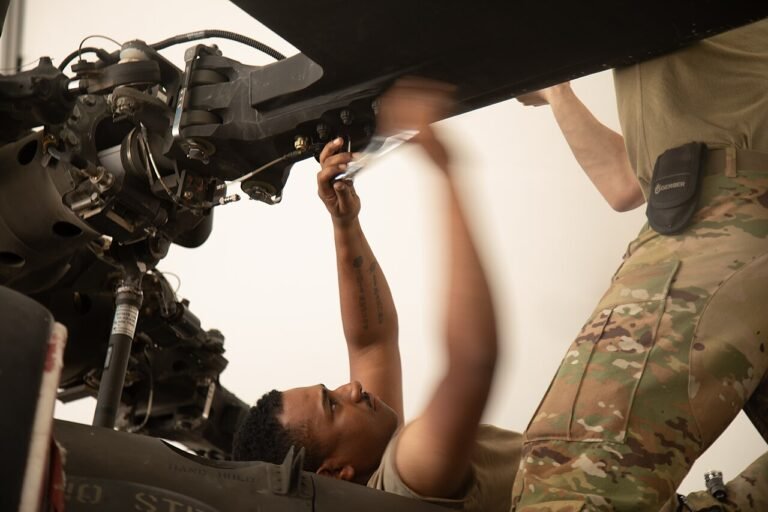
Airport Maintenance Worker Jobs in Guam – Everything You Need to Know Before Applying
Airport Maintenance Worker Jobs in Guam 2026 — airport maintenance workers joining terminal · runway · apron & gse maintenance shifts at Antonio B. Won Pat…
Read the Full Guide →French general contractors and their DOM subsidiaries never charge candidates for offers, visas or PPE. Article L.5321-3 of the Code du travail makes it illegal for any French placement operator to charge a placement fee to a candidate. If anyone asks, walk away and report them to the DEETS Martinique labour inspectorate.
🛠️ The Document Set You Must Have
- 📄 Passport valid for at least 18 months with blank visa pages.
- 🎓 Trade certificates — CAP Maçon / BEP Bâtiment / equivalent home-country trade qualification.
- 🩺 Visite médicale d'embauche — the SMTM occupational-health check confirming fitness for work at height and outdoor labour.
- 📑 Extrait de casier judiciaire from your home country (translated by a sworn translator).
- 🎫 CACES tickets (R408, R482, R489) if you already hold them — French sites accept EU-recognised equivalents.
- 🛡️ AIPR card (Autorisation d'Intervention à Proximité des Réseaux) if you will work near buried networks.
- 🛂 Long-stay work visa (VLS-TS "salarié") arranged by the employer through DIRECCTE / OFII.
🏗️ Positions with Role-Wise Salary (Detailed)
📋 Daily Duties on a Martinique Building Site
- Prepare the site each morning — barriers, PPE check, tool count, weather brief.
- Mix and lay concrete or block-work per the plan handed down by the chef d'équipe.
- Assemble or dismantle scaffolding per CACES R408 procedures.
- Fix reinforcement steel, tie rebar cages, pour and vibrate slabs.
- Follow tropical-climate safety — hydration breaks, UV cover, hurricane-season site securing.
- Sign the site attendance sheet and cooperate with the AIPR-marked underground-network survey before any excavation.
🔗 Reading Your Contract Before You Sign
A construction offer from a French DOM contractor is a formal French labour contract, and there are five lines that decide whether it is worth taking. Check each one.
- ⏱️ Contract type — CDD de chantier (project-linked) is the norm for a foreign hire and can only be ended when the named building project ends.
- 💶 Base wage plus what tops it up — the collective-agreement grade (N2/N3/N4), indemnités de trajet, panier repas and any expat allowance, each named separately.
- ✈️ Joining and repatriation flights — major contractors cover a one-way flight to Fort-de-France (FDF) and a repatriation flight at end of project.
- 🕐 Weekly hours — 35 hrs is the legal base; site overtime is heures supplémentaires paid at 125% (first 8) then 150%.
- 🏥 Social security & mutuelle du bâtiment — the sector mutuelle (PRO BTP or equivalent) starts on day one; the employer pays at least 50%.
💰 What You Can Realistically Save
A construction worker on a Bâtiment collective-agreement CDD in Martinique typically remits EUR 700 – EUR 1,400 a month, especially when the contract includes shared site accommodation in Le Lamentin or Ducos. Add the panier repas (about EUR 10.50 per site day) plus indemnités de trajet, and the effective monthly cost of living falls sharply. Budget for one home leave a year and a French bank account (BFC Antilles or La Banque Postale open easily on a VLS-TS visa).
🧭 7-Step Application Framework
🧾 Your Rights as a Construction Worker in Martinique
Keep personal copies of your contract, extrait de casier judiciaire, medical fitness, CACES/AIPR tickets and every trade qualification — and keep a copy off site. Under the French Labour Code and the Bâtiment collective agreement you are entitled to timely wage payment, 5 weeks paid leave per year, employer-paid mutuelle (at least 50%), PPE provided at no cost, and repatriation at the employer's expense at the end of a foreign-hire project contract.
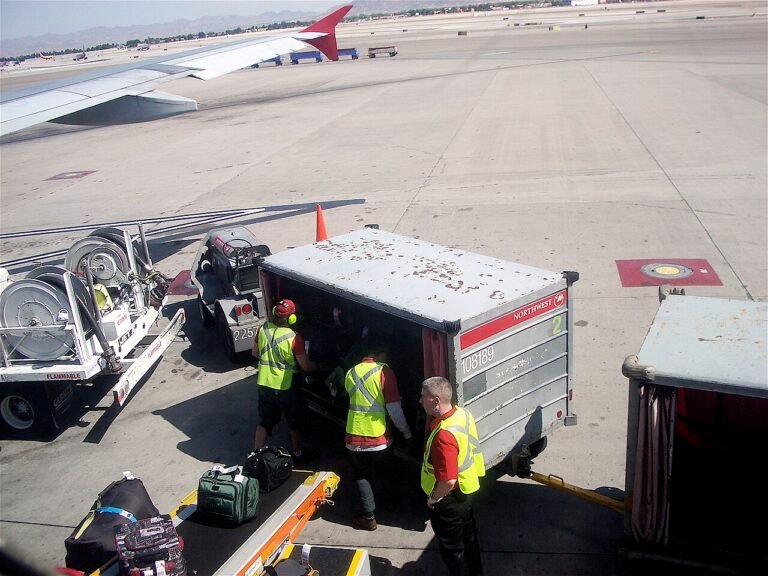
Baggage Handler Jobs in Grenada – Everything You Need to Know Before Applying
Baggage Handler Jobs in Grenada 2026 — baggage handlers joining baggage loading · sorting · ramp transfer shifts at Maurice Bishop International Airport (GND) in Point…
Read the Full Guide →If something goes wrong, the DEETS Martinique inspects labour disputes and the Conseil de Prud'hommes de Fort-de-France arbitrates them. Site-safety concerns go to the CSSCT and the OPPBTP.
🔎 Official Portals to Verify Every Offer
Cross-check every construction vacancy on an official channel. If a role exists only in a WhatsApp voice-note and nowhere on the contractor or France Travail portal, treat it as unverified until proven otherwise.
🏢 Named Employers Actively Hiring Construction Trades in Martinique
- 🏗️ Bouygues Bâtiment DOM — building and public-works majors across FDF and Le Lamentin.
- 🏗️ VINCI Construction Antilles-Guyane — housing, hospital and airport-side projects.
- 🏗️ Colas Antilles-Guyane — road, port and coastal-protection contractor.
- 🏗️ Eiffage Antilles Guyane — mixed-use, social housing, energy infrastructure.
- 🏗️ SOGEA Martinique (VINCI) — civil-works specialist.
- 🏗️ Local qualified sub-contractors — masonry, formwork, scaffolding and finishing crews on named projects.
❓ Frequently Asked Questions
Do I need to be an EU citizen to work on a Martinique building site?
Are my home-country CAP or trade tickets accepted?
Can I get hired with no experience at all?
Is a recruitment agency allowed to charge me anything?
What are the real working hours on a Martinique site?
What happens if the project ends early or is stopped?
🏁 Conclusion
Construction jobs in Martinique for 2026 are genuinely open to first-time applicants and to trades workers moving up from the Caribbean or from Europe — but they are won on paperwork, safety tickets and process, not on luck. Apply through the general contractor's own portal, verify any agency against the site SIRET, get your extrait de casier judiciaire and CACES tickets ready before you are asked, and read the CDD de chantier line by line before signing.
👉 Next step: Build your bilingual trade CV this week, create profiles on three named Martinique-site contractor portals, and book your extrait-de-casier-judiciaire and sworn-translation of your trade certificates — candidates who arrive certified are the ones who are on-site fastest.

Cleaner Jobs in Australia – Everything You Need to Know Before Applying
Cleaner Jobs in Australia 2026 — office and commercial cleaning · hospital and aged-care cleaning · school and university cleaning · industrial and warehouse cleaning across…
Read the Full Guide →