
Portugal’s airports are busier than ever thanks to booming tourism, and airport ground staff jobs in Portugal for 2026 — especially baggage and cargo handlers — are opening up for overseas workers. Lisbon, Porto, and Faro airports need reliable ground teams to keep flights moving, and ground-handling companies recruit throughout the busy travel seasons.
In this guide, CobraHoster explains what these roles involve, realistic salaries, the benefits, the requirements, and — importantly — the honest visa reality of working in Portugal as a non-EU citizen, plus a clear, safe way to apply.
✈️ What Are Airport Ground Staff Jobs in Portugal?
Airport ground staff handle everything that happens on the ground around a flight — loading and unloading baggage and cargo, sorting luggage, operating belt loaders and tugs, and moving freight between aircraft and terminals. Baggage and cargo handler roles are the most common entry-level ground jobs and are hired by ground-handling companies at Portugal’s main airports.
Unlike the Gulf, Portugal is part of the European Union, so a non-EU worker needs a valid work visa and residence permit to take up a job. Most ground roles are offered on fixed-term or seasonal contracts, especially during the spring–summer tourism peak, and many accept applicants with little or no experience.

Office Boy Jobs in Europe 2026 – Hiring Now
Office boy jobs (also called office assistant, pantry attendant or office runner) — are one of the largest office-support hiring segments in corporates, banks and government…
Read the Full Guide →🎯 Why Airport Ground Jobs in Portugal Matter
Portugal offers something the Gulf does not: a route into Europe and the Schengen area, with a European work-residence permit, a relatively affordable cost of living compared with northern Europe, and a pleasant climate. For many workers, a ground-handling job is a realistic first step towards building a life in the EU.
Airport demand is strong and seasonal. Portugal welcomes record numbers of tourists, and airports in Lisbon, Porto, and the Algarve need extra baggage and cargo staff during the busy months. This creates genuine openings, though it also means many contracts are fixed-term or seasonal rather than permanent.
Pay in Portugal is not tax-free, but it is a regulated European wage with social-security cover, paid holidays, and worker protections. Ground roles often include shift and night allowances, and reliable staff are frequently offered contract renewals or a path to a longer-term permit.
📈 The Roles That Actually Matter
Baggage Handler
Baggage handlers load and unload passenger luggage, sort bags by flight and destination, and operate belt loaders and baggage carts. It is active shift work that suits fit applicants and typically pays around the national wage plus allowances, roughly €900–1,300 per month gross.
Cargo / Freight Handler
Cargo handlers move air freight and mail between aircraft, warehouses, and trucks, check documents and labels, and build or break down cargo pallets. Pay is similar to baggage handling, around €950–1,350 per month gross, sometimes more with experience.
Ramp Agent / GSE Operator
Ramp agents and equipment operators drive tugs, loaders, and pushback tractors and coordinate aircraft turnarounds. These roles usually need experience or an in-house licence and pay more, around €1,200–1,700 per month gross.

Airport Ground Staff Jobs in Europe 2026 – Hiring Now
Airports run around the clock, and airport ground staff jobs — passenger service, boarding gates, baggage-belt allocation and meet-and-greet — are in steady demand across the…
Read the Full Guide →🏙️ Where the Jobs Are & Who Is Hiring
Most airport ground vacancies in Portugal are concentrated around the main airports of Lisbon, Porto, and Faro and their ground-handling companies. Focusing your search there gives you the best chance of finding a genuine opening. Demand rises sharply for the spring and summer tourist season, when extra baggage and cargo staff are needed.
When you apply, target employers directly through their official careers pages and through the trusted job portals listed later in this guide. Roles come up throughout the year, but applying early — before the busiest hiring periods — puts your CV in front of recruiters ahead of the crowd and improves your chances of a airport ground role in Lisbon.
It also pays to apply widely rather than waiting for a single “perfect” opening. Send a tailored application to several genuine employers, keep a simple record of where and when you applied, and follow up politely after a week or two. A steady, organised approach almost always beats sending one hopeful application and waiting — and it is exactly how most successful airport ground candidates in Portugal eventually land an interview and an offer.
📋 Portugal Airport Ground Jobs Cheat-Sheet (Quick Reference)
| Position | Typical Salary (EUR) | Experience | Notes |
|---|---|---|---|
| 🧳 Baggage Handler | 900 – 1,300 | Freshers OK | Seasonal & fixed-term common |
| 📦 Cargo / Freight Handler | 950 – 1,350 | Freshers OK | Freight & documents |
| 🚜 Ramp Agent / GSE Operator | 1,200 – 1,700 | Experience | Licence usually needed |
| 🧭 Ground Team Leader | 1,500 – 2,000 | 2–3 years | Supervises turnarounds |
| 🕒 Shift / night roles | Varies | Freshers OK | Allowances added (gross, taxable) |
⭐ The single most important rule: NEVER PAY FOR A JOB.
Genuine employers in Europe do not charge workers for a job or a work permit. If an agent asks for money for a “guaranteed” job, visa, or work permit, it is almost certainly a scam. Legitimate recruitment and sponsorship costs are the employer’s responsibility, not yours.
🛠️ Documents & Requirements You Need
- 📄 Valid passport with enough validity for a visa and residence permit.
- 🛂 A job offer from a Portuguese employer — this is required before you can apply for a work visa.
- 📝 Updated CV in English (Portuguese is a plus), showing any airport, warehouse, or labour experience.
- 💪 Good physical fitness for lifting and shift work on the ramp.
- 🗣️ Basic English to follow safety instructions; learning some Portuguese helps a lot.
- 📑 Clean documents — police clearance and other papers may be needed for the visa.
🔗 Understanding Salary, Visas & Contracts
Working in Portugal as a non-EU citizen means following the legal route: first you need a genuine job offer from a Portuguese employer, then you apply for a work visa at the Portuguese consulate, and after arrival you obtain a residence permit. Reputable employers guide you through this process; be very cautious of anyone promising a Portuguese job with “guaranteed” papers for a fee.
Salaries are gross and taxable, with social-security contributions deducted — but in return you get healthcare access, paid annual leave, and worker protections under EU and Portuguese law. Ground-handling contracts are often fixed-term or seasonal and may not include free housing, so budget for rent and living costs. Always read your contract, confirm the pay, hours, and contract length in writing, and treat the figures here as approximate gross ranges rather than guarantees.
💰 Cost of Living & Saving Potential
In Portugal, airport ground pay is a regulated European wage that is taxable, with social-security contributions deducted — so your take-home EUR pay is lower than the gross figure. In return you gain healthcare access, paid annual leave, and worker protections under EU and national law, which the tax-free Gulf model does not include.
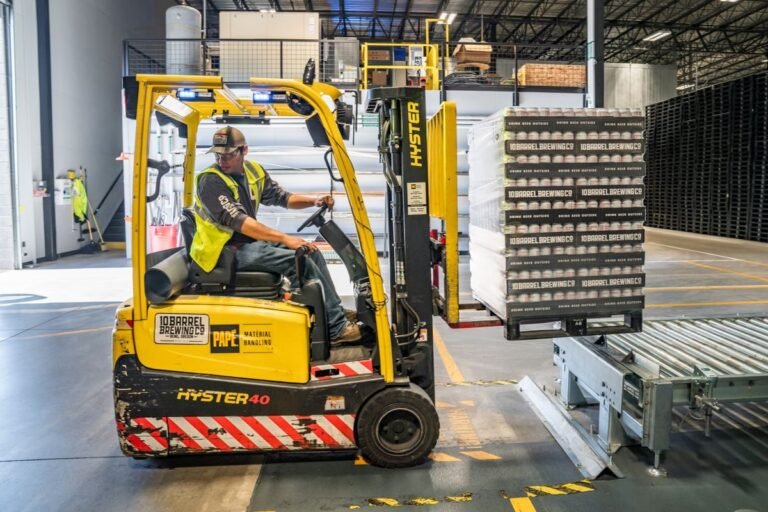
Forklift Operator Jobs in Europe 2026 – Hiring Now
Forklift operator jobs — counterbalance, reach truck, order picker and pallet-truck — are one of the largest licensed-MHE hiring segments in warehousing.In this guide, CobraHoster covers…
Read the Full Guide →Your saving potential depends heavily on whether accommodation is included. Where the employer provides staff housing and meals — common in seasonal resort and hotel roles — you can save a good part of your wage. Where it is not, you must budget for rent and living costs in Lisbon, so always confirm what is included before you accept a airport ground offer.
🧭 7-Step Application Framework
💡 Worked Example: Applying the Right Way
Consider Miguel, a non-EU worker with warehouse experience who wants an airport job in Portugal. He writes a clear English CV, applies to two ground-handling careers pages and to airport vacancies on EURES and Indeed Portugal, and avoids every agent who asks for money up front.
A ground-handling company interviews him online for a baggage-handler role and issues a genuine written job offer. Using that offer, Miguel applies for a work visa at the Portuguese consulate, provides his documents and police clearance, and after approval travels to Lisbon and obtains his residence permit. He starts a seasonal contract at around €1,050 per month gross, with the option of renewal — all without paying anyone for the job or the visa.
⚠️ Common Mistakes to Avoid
- 💸 Paying for a “guaranteed” job or visa. No legitimate Portuguese employer or agency charges you for this.
- 🛂 Ignoring the visa process. A non-EU worker cannot legally work in Portugal without a proper work visa and permit.
- 📑 Signing a contract you do not understand. Confirm pay, hours, and contract length in writing first.
- 🏠 Assuming free housing. Many European ground roles do not include accommodation — budget for rent.
- 🏢 Skipping employer verification. Always check the company is real before sharing documents.
🧾 Your Rights & Staying Safe as a Worker
Once you start a airport ground job in Portugal, keep your own copies of your contract, residence permit, and passport, and make sure you understand your gross pay, deductions, working hours, and contract length. As an EU-based worker you are covered by national and European labour law, which gives you paid annual leave, social-security cover, healthcare access, and protection against unfair dismissal.
If a genuine problem arises, Portugal has official labour inspectorates and worker support services that handle complaints. Raise issues through these proper channels rather than informal agents, and never hand your passport to anyone who has no legal right to hold it. Understanding your rights and keeping your documents safe is the best protection for any overseas airport ground worker in Europe.
📖 Glossary of Key Terms
- 🛂 Work Visa: The consular visa a non-EU worker needs to enter Portugal for employment, based on a job offer.
- 🪪 Residence Permit: The document that lets you legally live and work in Portugal after arrival.
- 🌍 Schengen Area: The group of European countries with common travel rules; a Portuguese permit opens access to it.
- 🧭 EURES: The official European job-mobility network that lists genuine vacancies across the EU.
- 📦 Ground Handling: The airport services — baggage, cargo, ramp — carried out around aircraft.
- 💶 Gross Salary: Pay before tax and social-security deductions; take-home pay is lower.
❓ Frequently Asked Questions
Do I need a visa to work at a Portuguese airport?
Are airport ground jobs in Portugal tax-free?
Do I need experience?
Are these jobs seasonal?
Is accommodation provided?
How do I avoid scams?
How do I start the visa process for Portugal?
Will I be able to bring my family later?
How can I make my airport ground application stand out?
Does CobraHoster guarantee a airport ground job or charge any fee?
🏁 Conclusion
Airport ground staff jobs in Portugal for 2026 offer a genuine and honest route into Europe for baggage and cargo handlers, with strong seasonal demand at Lisbon, Porto, and Faro. The trade-off compared with the Gulf is that pay is taxable and you must follow the proper work-visa process — but you gain EU worker protections and a foothold in the Schengen area.
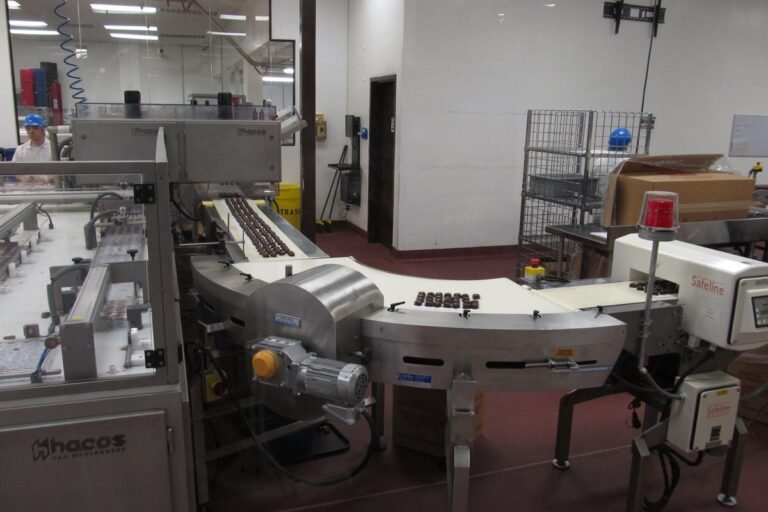
Chocolate Factory Worker Jobs in Europe 2026 – Hiring Now
Chocolate factory jobs — chocolate line operative, moulding / enrobing machine operator and packaging line operative — are one of the largest continuous-hiring segments in confectionery…
Read the Full Guide →👉 Next step: Build a clear English CV, apply through EURES and the airports’ official careers pages this week, and only proceed with employers who provide a genuine written job offer — never pay for a “guaranteed” visa.
