
Construction labour jobs — general site work, skilled trades (mason, carpenter, steel fixer, plumber, electrician) and site supervision — are one of the largest continuous-hiring segments across the region.
In this guide, CobraHoster covers construction labour vacancies in Europe — the duties, realistic salaries, benefits, requirements, and a clear, safe way to apply.
🧭 What Are Construction Labour Jobs in Europe?
Construction labour covers general site work (loading / unloading, material handling, site clean-up) and skilled trade work (masonry, carpentry, steel fixing, plumbing, electrical). The work is physical, outdoor and PPE-mandatory.
Employers include major contractors (DAMAC, Emaar Contracting, Bouygues, Skanska) on 2-year renewable contracts with employer-sponsored visa, shared camp accommodation, transport, medical insurance and PPE.

General Helper Jobs in Europe 2026 – Hiring Now
General helper jobs — construction site helper, factory helper, warehouse helper and general labour — are one of the largest fresher-friendly hiring segments across multiple sectors.In…
Read the Full Guide →🎯 Why Construction Labour Jobs in Europe Matter
Construction work offers steady employment because the region’s infrastructure and property pipeline is continuous.
Reputable contractors provide staff camp accommodation, staff canteen, staff bus transport, medical insurance and full PPE / safety training.
There is room to grow. Reliable general labourers progress to skilled trades (mason, carpenter, steel fixer), then to foreman and site-supervisor grades over 3–5 years.
📈 The Roles That Actually Matter
General Site Labour
Loads / unloads materials, cleans the site and supports skilled trades. Freshers welcome.
Skilled Trade (Mason / Carpenter / Steel Fixer / Plumber / Electrician)
Certified trade work under a foreman.
Site Foreman
Runs the daily crew, allocates work, signs off tasks and reports to the site supervisor.
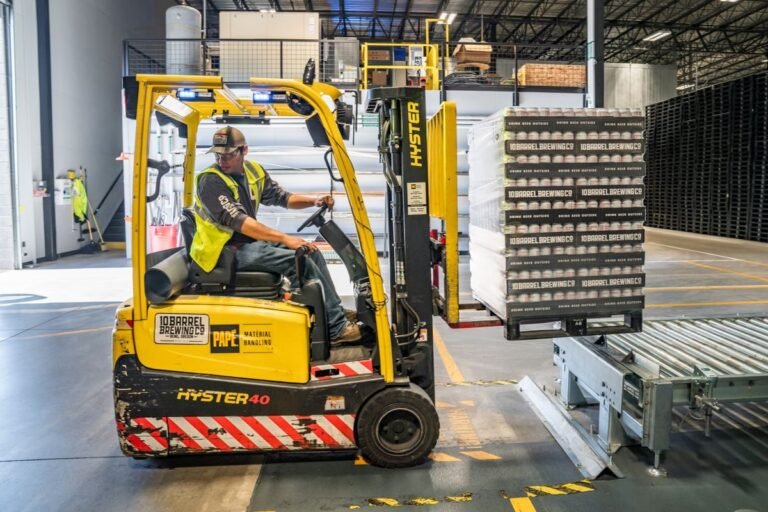
Forklift Operator Jobs in Europe 2026 – Hiring Now
Forklift operator jobs — counterbalance, reach truck, order picker and pallet-truck — are one of the largest licensed-MHE hiring segments in warehousing.In this guide, CobraHoster covers…
Read the Full Guide →🏙️ Where the Jobs Are & Who Is Hiring
Most construction labour vacancies in Europe are concentrated around the employers below. Focusing your search there gives you the best chance of finding a genuine opening.
Top hiring employers: Bouygues Construction, Vinci, Skanska, Strabag, ACS Group. Roles come up throughout the year, but applying early puts your CV in front of recruiters ahead of the crowd.
Apply widely rather than waiting for a single “perfect” opening. Send a tailored application to several genuine employers, keep a record of where and when you applied, and follow up politely after a week or two.
📋 Europe Construction Labour Jobs Cheat-Sheet (Quick Reference)
| Position | Typical Salary (EUR) | Experience | Notes |
|---|---|---|---|
| 🧱 Construction Labour | € 1,600 – 2,300 | Freshers OK | General site work |
| 🪚 Skilled Trade (Mason/Carpenter/Steel Fixer) | € 1,900 – 2,800 | 1–3 yrs | Certified trade |
| 🎯 Site Foreman | € 2,500 – 3,500 | 3+ yrs | Team leadership |
| 🧭 Site Supervisor | € 3,000 – 4,500 | 5+ yrs | Section head |
⭐ The single most important rule: NEVER PAY FOR A JOB.
Genuine employers in Europe do not charge workers for jobs or visas. If any agent or website demands money for a “guaranteed” job or visa, treat it as a scam and walk away. Real recruitment costs are paid by the employer, not by you.
🛠️ Documents & Requirements You Need
- 📄 Valid passport with at least 6 months validity.
- 📝 Updated CV / resume tailored to the construction labour role.
- 📷 Passport-size photographs with a white background.
- 💪 Good health and energy for physical outdoor construction-site shifts under summer heat.
- 🗣️ basic English (plus Arabic in the Gulf, local language in Europe) (extra languages help).
- 🦺 Physical fitness and safety discipline (PPE, harness, ladder) for the construction labour role.
🔗 Understanding Salary, Benefits & Contracts
A construction labour package in Europe is worth more than the basic wage. Alongside a monthly EUR salary, reputable employers provide shared accommodation or a housing allowance, transport, national health-service registration, and uniforms, and they sponsor your national (D-visa) or EU Blue Card work permit.
Most contracts run for one to two years and are renewable under national labour law, stating your salary, shift pattern, allowances, annual leave, and any end-of-service or pension entitlement. Always read the contract before signing, confirm accommodation and pay in writing, and treat the salary figures here as approximate ranges rather than guarantees.
💰 Cost of Living & Saving Potential
One of the biggest reasons workers choose Europe is the combination of legal EU labour protection and a stable path to permanent residence. When accommodation and transport are provided, most of your EUR pay can be saved.
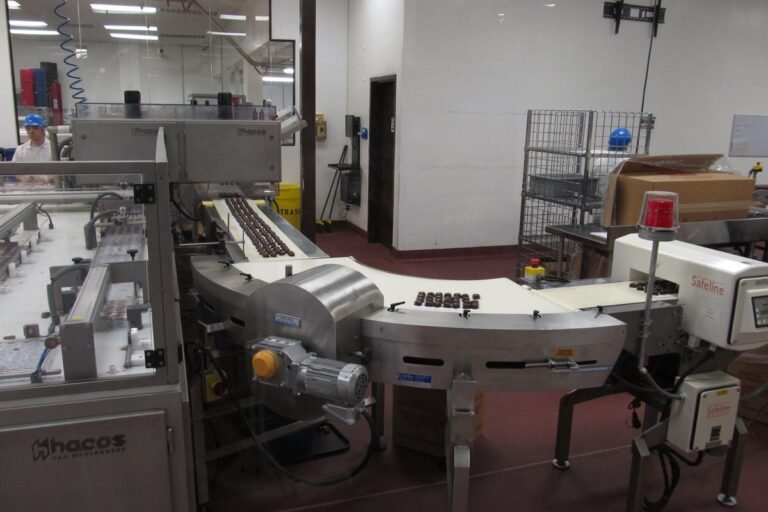
Chocolate Factory Worker Jobs in Europe 2026 – Hiring Now
Chocolate factory jobs — chocolate line operative, moulding / enrobing machine operator and packaging line operative — are one of the largest continuous-hiring segments in confectionery…
Read the Full Guide →Add in overtime, night and weekend premiums, and national pension contributions, and the real value of a European package is often higher than the headline salary alone.
🧭 7-Step Application Framework
💡 Worked Example: A Construction Applies
Consider Muhammad, a physically-fit fresher, preparing a simple CV highlighting the relevant skills and applying to major construction labour employers and trusted Europe portals — ignoring any agent who asks for money.
A major contractor invites him to a brief physical check. He is offered general-site work with shared camp accommodation, staff bus, canteen, PPE and clear growth into skilled trades. The Employer-sponsored national D-visa or EU Blue Card is arranged by the employer, and the worker starts on the job — without paying anyone for the placement.
⚠️ Common Mistakes to Avoid
- 💸 Paying for a job or visa. No genuine Europe employer charges you for this.
- 📑 Signing a contract you have not read. Confirm salary, allowances, and accommodation in writing first.
- 📤 Handing over original documents or deposits to unverified agents.
- 🏢 Skipping employer verification. Always check the employer is genuine on official channels.
- ⏰ Ignoring shift-work requirements. Construction Labour roles usually involve rotating shifts — be honest about your availability.
🧾 Your Rights & Staying Safe as a Worker
Once you start a construction labour job in Europe, keep your own copies of your contract, offer letter, and passport, and make sure you understand your salary, working hours, and leave. Under EU / national labour rules your employer must pay you on time to a national bank account, provide the benefits stated in your contract, and pay any statutory notice / severance when your contract ends.
If a genuine problem arises, national labour inspectorates (e.g., Ispettorato del Lavoro in Italy, ACT in Portugal, Acas in the UK) handle worker complaints. Raise issues through these proper channels rather than through informal agents. Never hand your passport to anyone who has no legal right to hold it — keeping your documents and knowing your rights is the best protection for any overseas construction labour worker.
📖 Glossary of Key Terms
- PPE (Personal Protective Equipment): Common industry term for the construction labour sector.
- HSE (Health, Safety, Environment): Common industry term for the construction labour sector.
- PTW (Permit to Work): Common industry term for the construction labour sector.
- Foreman: Common industry term for the construction labour sector.
- 🛂 Employment Visa: Employer-sponsored national D-visa or EU Blue Card.
- 💰 Salary: Monthly gross pay in EUR as set in your contract.
❓ Frequently Asked Questions
Do I need experience or a degree for construction labour jobs in Europe?
Is accommodation provided?
What salary can I expect?
Are the jobs shift-based?
Can I apply from my home country?
How long is a construction labour contract in Europe?
What should I do if an employer treats me unfairly?
How can I make my construction labour application stand out?
Does CobraHoster guarantee a construction labour job or charge any fee?
🏁 Conclusion
Construction Labour jobs in Europe for 2026 are one of the most reliable ways to start or grow a career — with steady demand, employer-sponsored visa, and accommodation support at reputable operators. Prepare a simple CV, apply only through official and trusted channels, be honest and reliable, verify every offer, and never pay anyone for a job or visa.
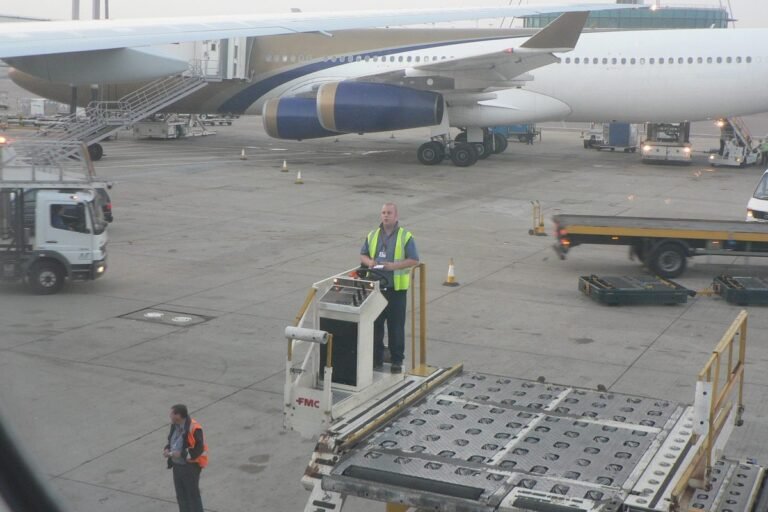
Logistics Warehouse Associate Jobs in Europe 2026 – Hiring Now
Logistics warehouse jobs — warehouse associate, loader / unloader, forklift operator and warehouse team-leader — are one of the largest continuous-hiring segments in supply-chain and 3PL…
Read the Full Guide →👉 Next step: Put together a simple CV today, apply to three construction labour roles on trusted Europe portals this week, and show up to interviews polite and ready — that is how most Europe construction labour careers begin.
